




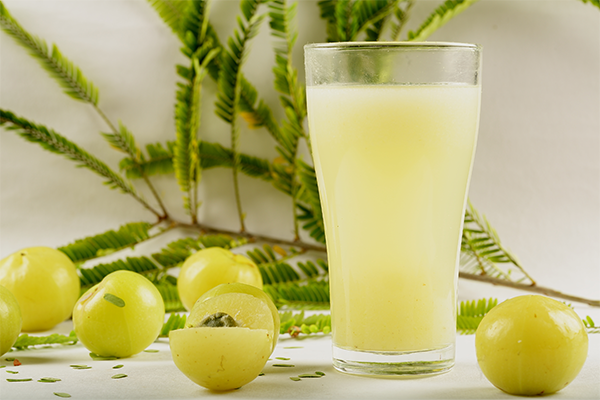
In a world where we’ve spent years popping synthetic “emergency” vitamin packets, 2026 is the year we finally return to whole-food bio-hacking. Meet Amla—the Indian gooseberry that has been quietly dominating the Ayurvedic wellness scene for centuries and is now the undisputed heavyweight champion of natural Vitamin C. Making this “sour power” juice at home isn’t just about a morning ritual; it’s about giving your body a nutrient form it actually recognizes and knows how to use.
The Powerhouse Profile: Why Amla Dominates Citrus
While we’ve been told for decades that oranges are the gold standard for immunity, Amla actually contains significantly more Vitamin C per gram than almost any other fruit. But the real 2026 secret isn’t just the quantity; it’s the bioavailability—how easily your body absorbs those nutrients. Amla is packed with polyphenols and tannins that act as natural preservatives for the Vitamin C, keeping it stable even through the juicing process.
Beyond just an immune boost, this antioxidant-rich drink acts as a digestive health beverage by stimulating enzymes and soothing the gut lining. For those of us living the 2026 “always-on” lifestyle, it provides natural energy support without the caffeine crash, while the high antioxidant load protects your skin from the oxidative stress of urban pollution.
The DIY Protocol: Crafting Your Tonic at Home
You don’t need a lab to make this Ayurvedic staple; you just need ten minutes and a bit of “green” intuition. For the best results, use fresh, firm fruits that feel heavy for their size.
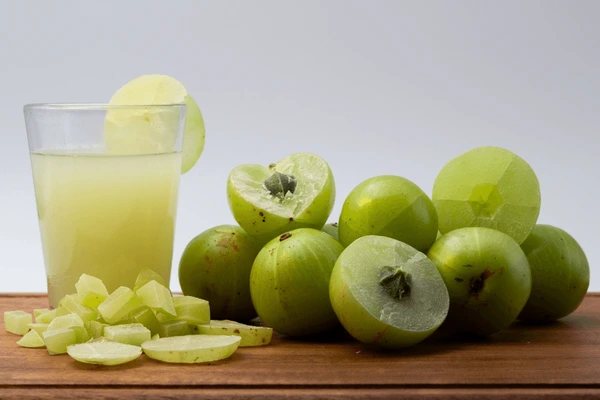
- Step 1: The Prep. Wash 10–12 fresh amlas. You can deseed them or blend them whole and strain the seeds later—2026 is all about efficiency, so blending whole is often easier.
- Step 2: The Extraction. Add the fruit to a blender with 1–2 cups of filtered water. Blend until smooth.
- Step 3: The Refinement. Strain the mixture through a fine mesh or cheesecloth into a glass container.
- Step 4: The Flavor Hack. Amla is notoriously tart. Add a teaspoon of raw honey, a pinch of rock salt (to aid mineral absorption), or a small piece of fresh ginger for a thermogenic kick.
Vitamin C: Amla vs. The Competition
| Fruit (100g) | Vitamin C Content (mg) | Main Benefit | Authority Source |
| Amla | ~600-800 mg | Extremely High Antioxidants | PubMed Central |
| Guava | ~228 mg | High Fiber | USDA FoodData |
| Orange | ~53 mg | High Hydration | Healthline |
| Lemon | ~53 mg | pH Balancing | Cleveland Clinic |
The Nutrient Absorption Efficiency Formula
To understand why Amla is superior, we look at the Absorption Efficiency ($A_{eff}$). This is a ratio of the Nutrient Concentration ($N_c$) and the presence of Stabilizing Tannins ($S_t$) against the Degradation Rate ($D_r$) when exposed to air and light:
$$A_{eff} = \frac{N_c \times S_t}{D_r}$$
Because Amla’s $S_t$ (tannins) is so high, the degradation rate $D_r$ remains low even after juicing, resulting in a much higher $A_{eff}$ than synthetic powders or exposed citrus juices.
Conclusion
Amla juice is the ultimate “low-effort, high-reward” addition to your 2026 resilience roadmap. It’s tart, it’s astringent, and it might take your palate a few mornings to adjust, but your skin, hair, and immune system will feel the difference within a fortnight. Just remember the peer-to-peer “pro tip”: drink it on an empty stomach about 30 minutes before breakfast for maximum absorption. If you have low blood pressure or are on blood thinners, definitely clear it with your doctor first, but for most of us, this is nature’s most potent reset button.
Also Read : An Apple a Day: 10 Powerful Health Benefits of Apples